
The Magic of Hydrosols: A Beginner’s Guide to Aromatic Waters & Their Benefits
*Contains affiliate links
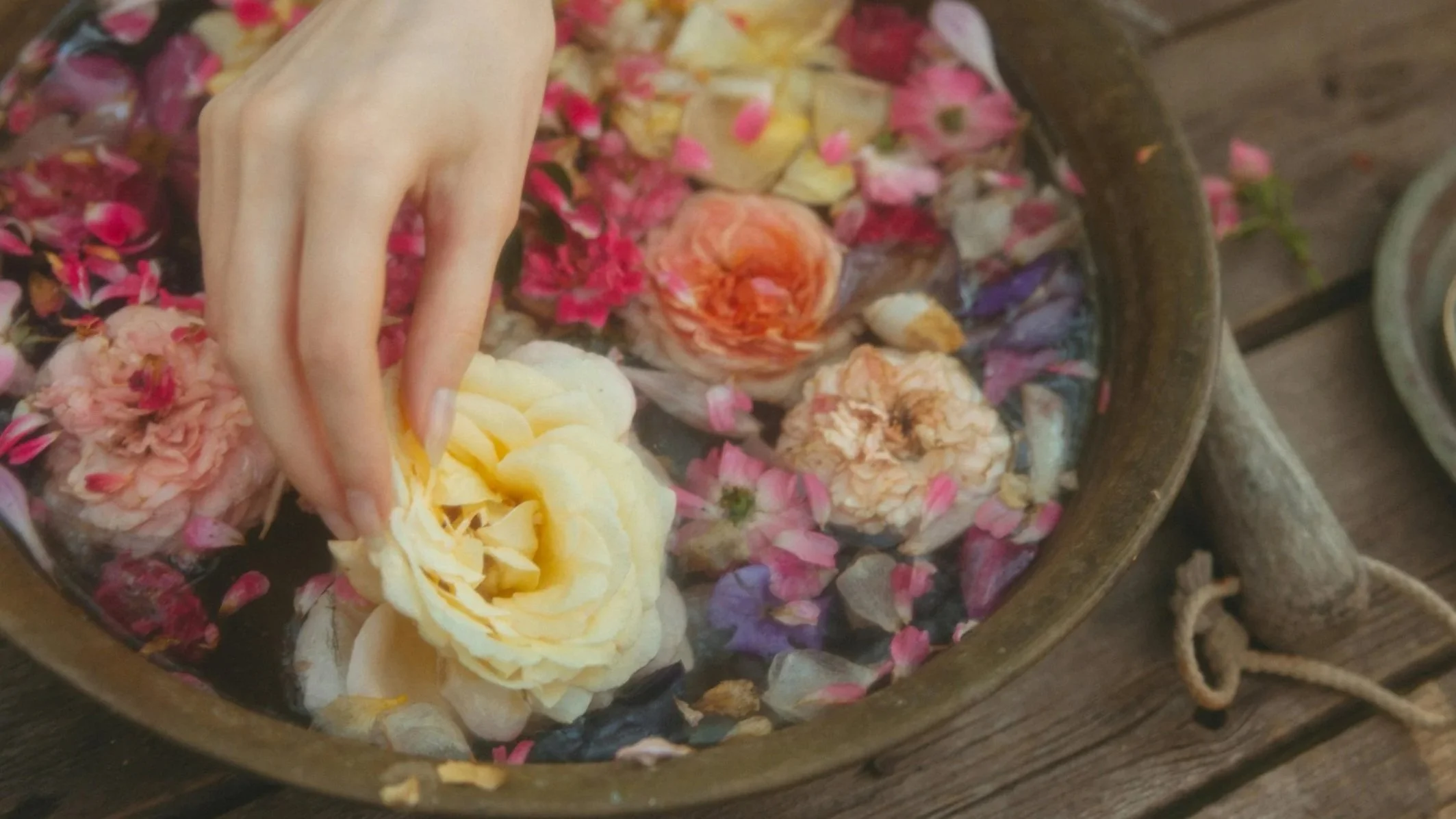
Herbs are replete with enchanting scents, be it the beautiful scent of a rose or the lemony green smell of just crushed lemon balm. Like essential oils, hydrosols are a way for us to capture these lovely aromas and other amazing properties of many herbs to use and enjoy. The fragrant flowers and plants of high summer are wonderful for making your very own hydrosols at home.
Hydrosols are the beautiful aromatic waters which are created as a by-product of essential distillation. These amazing waters are very soothing. Jeanne Rose tells us that hydrosols “can be considered the homeopathy of aromatherapy; as herbs are to homeopathy, so are essential oils to hydrosols. [That hydrosols in fact] “represent the true synergy of herbalism and aromatherapy” (Rose, 1999, pg. 163).
Hydrosols contain very tiny “micro drops of essential oil” (Rose, 1999, pg. 164) yet in addition to these tiny drops of essential oil there are helpful water-soluble compounds present in hydrosols. Among these compounds are plant acids which lend themselves beautiful as toners for the skin. Hydrosols are generally considered to be gentler and safer to use than their essential oils counterparts. Additionally, according to Kathi Keville and Mindy Green, hydrosols also contain beneficial biproducts of distillation that are not in essential oils such as “soothing, anti-inflammatory carboxylic acids” (1995, pg. 90).
The Benefits Of Some Common Hydrosols
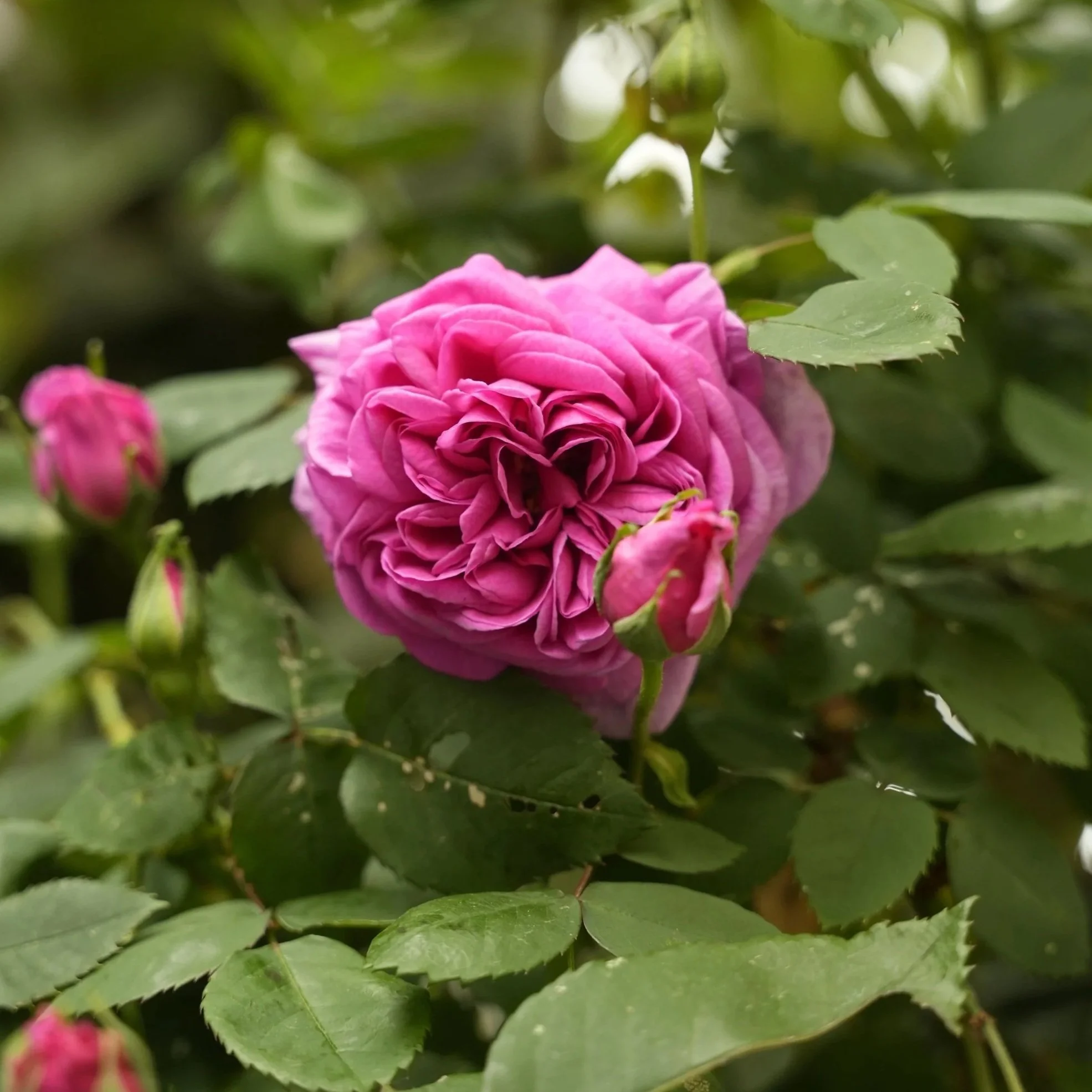
Rose
Rosa spp.
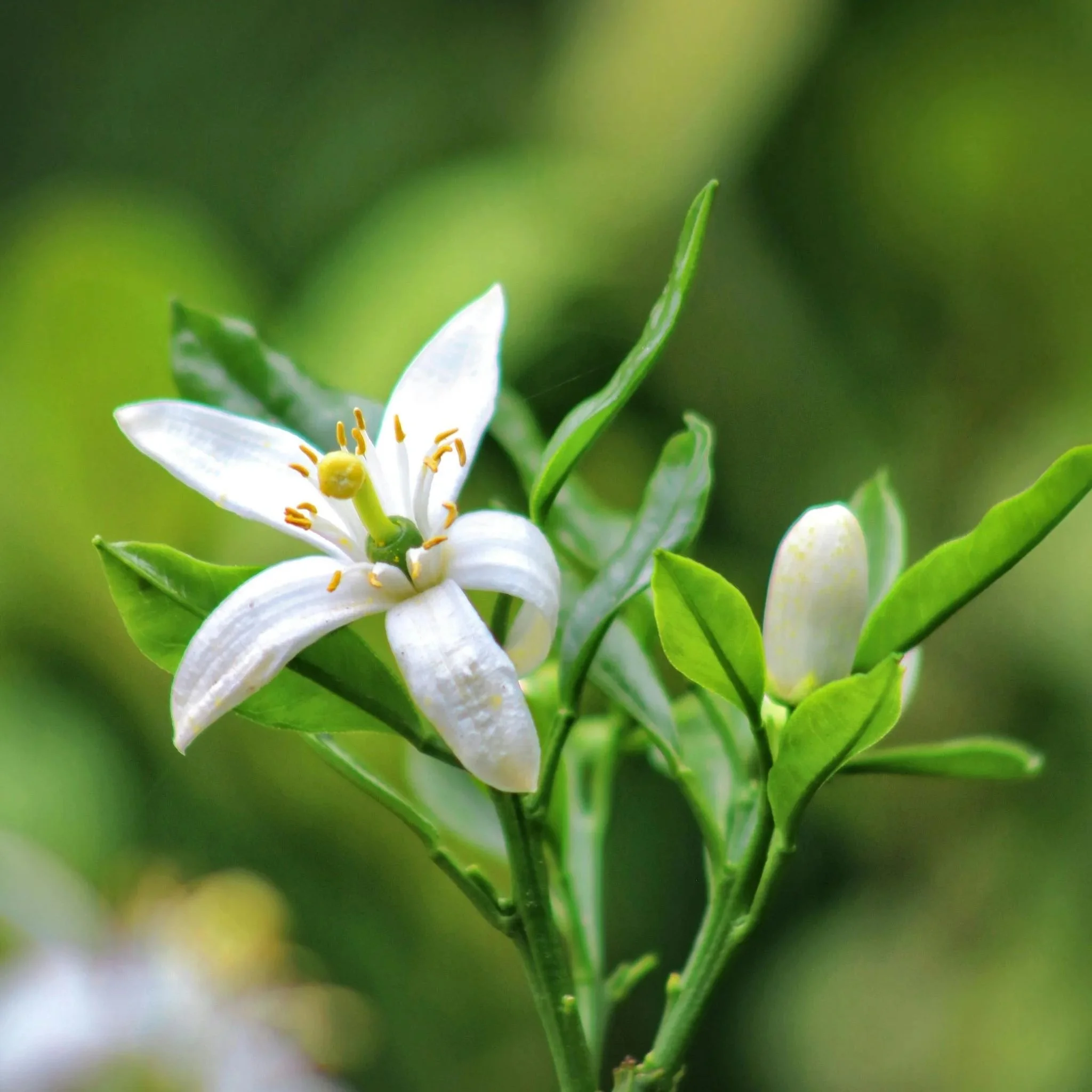
Orange Blossom (Neroli)
Citrus aurantium
Orange blossom hydrosol is very calming and wonderful for easing anxiety. It is mildly astringent and therefore helpful for those with oily skin. Like rose, orange blossom hydrosol is wonderful added to food and reportedly “one teaspoon in a cup of coffee eliminate jitters” (Rose, 1999, pg. 171) and I bet it tastes great too!
Part used: flowers
Purchase organic neroli hydrosol here.
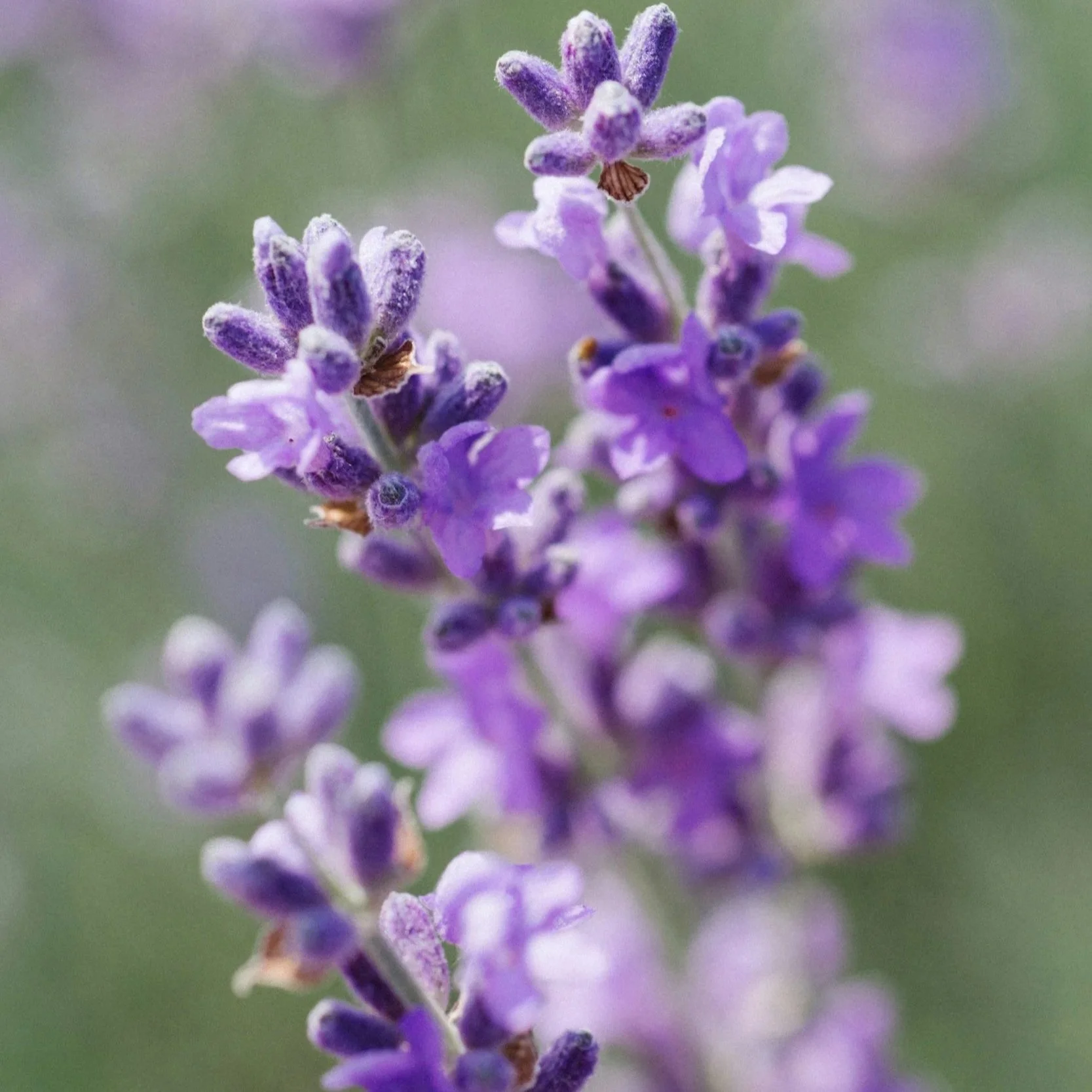
Lavender
Lavandula angustifolia
This mellow, cooling hydrosol is balancing for all skin types and particularly benefits sensitive skin. It may help to soothe and encourage repair skin irritations, minor burns and eczema. Just like the plant and essential oil, lavender hydrosol is used to ease stress and refreshes the mind.
Part used: flowers
Learn more about lavender here.
Purchase organic lavender hydrosol here.
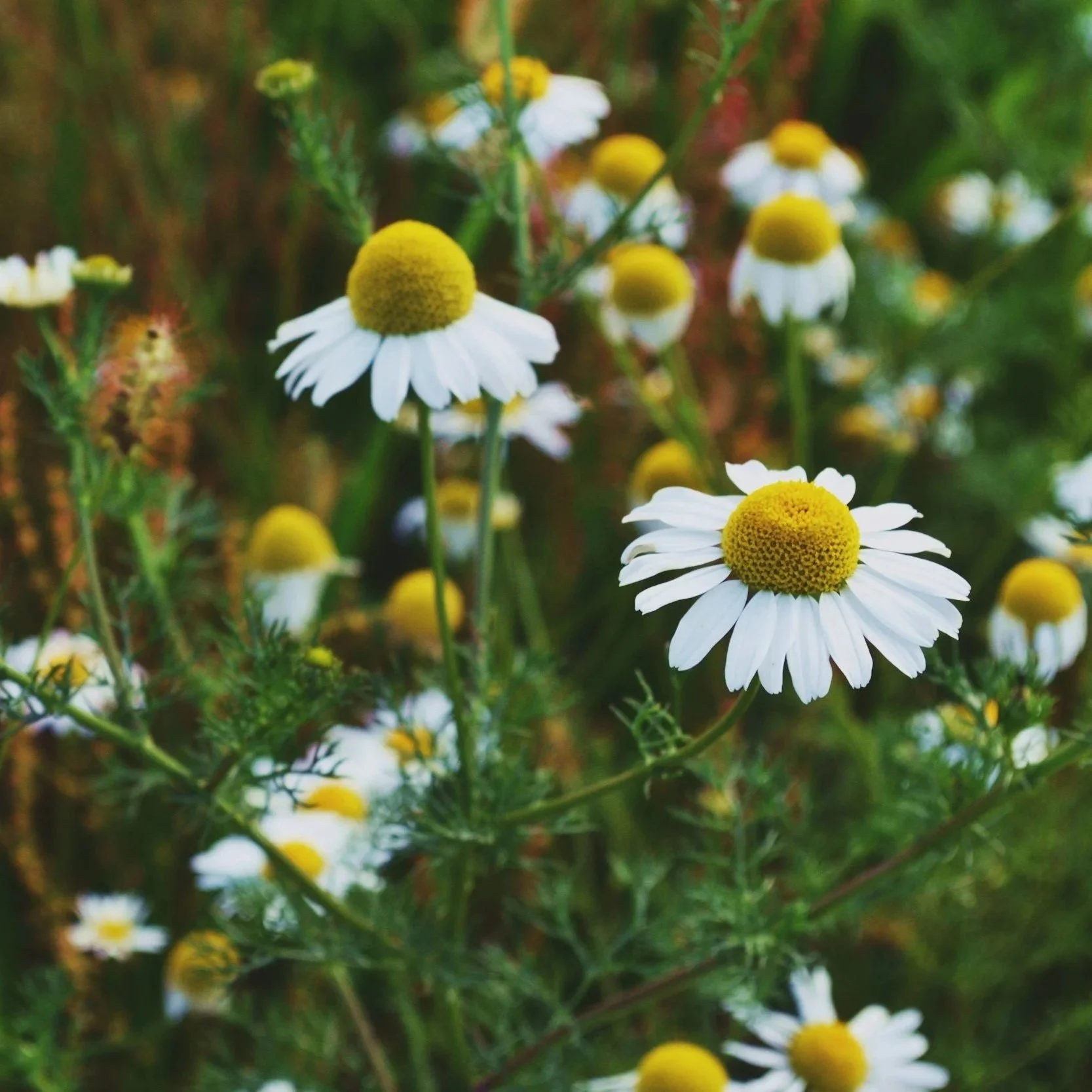
Chamomile
Matricaria chamomilla, M. recutita
This hydrosol is considered very anti-inflammatory and great for assisting those with sensitive skin. It is used for any type of skin inflammation such as sunburns, rashes, diaper rash, and acne. It helps ease anxiety and soothes upset emotions.
Part used: flowers
Note: People with ragweed allergies maybe allergic to chamomile.
Learn more about chamomile here.
Purchase organic chamomile hydrosol here.
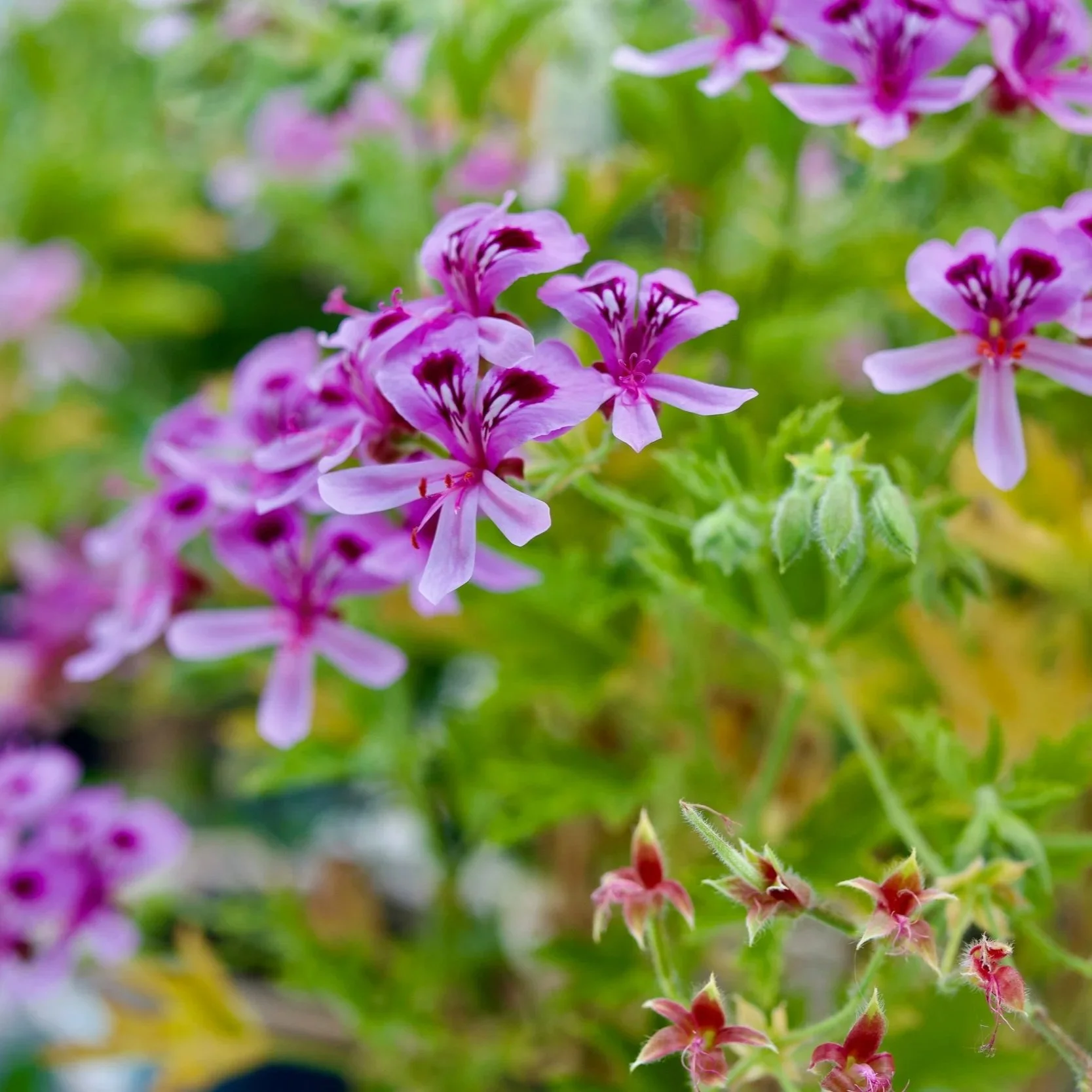
Rose Geranium
Pelargonium graveolens
Rose geranium hydrosol is well known for it’s ability to balance both dry and oily skin, making it wonderful for folks with combination skin. It is also considered a cellular regenerative (Rose, 1999, pg. 175) encouraging new cell formation and benefiting mature skin. Rose geranium hydrosol is also used to help to balance hormones during menopause and helping with PMS, good news, uh?
Parts used: leaves, stems & flowers
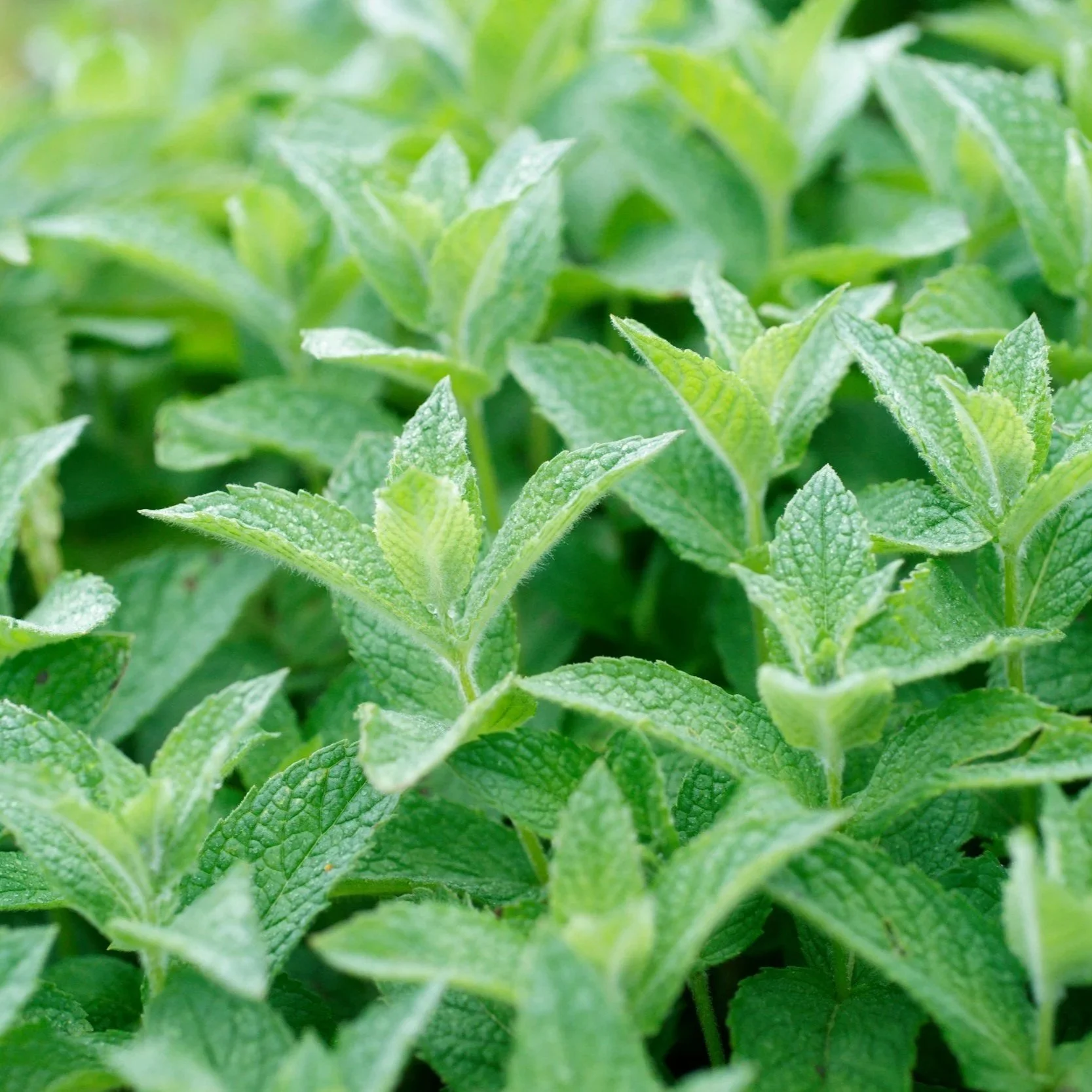
Peppermint
Mentha x piperita
Peppermint hydrosol is very cooling. It will can help to ease redness, inflammation and itchiness. Use it on rashes, insect bites and as an aftershave for razor burn. It is a wonderful facial toner too! Peppermint hydrosol is very uplifting and energizing. Great for cooling pick-me up on a hot day!
Parts used: leaves, stems & flowers
Learn more about mint here.
Purchase organic peppermint hydrosol here.
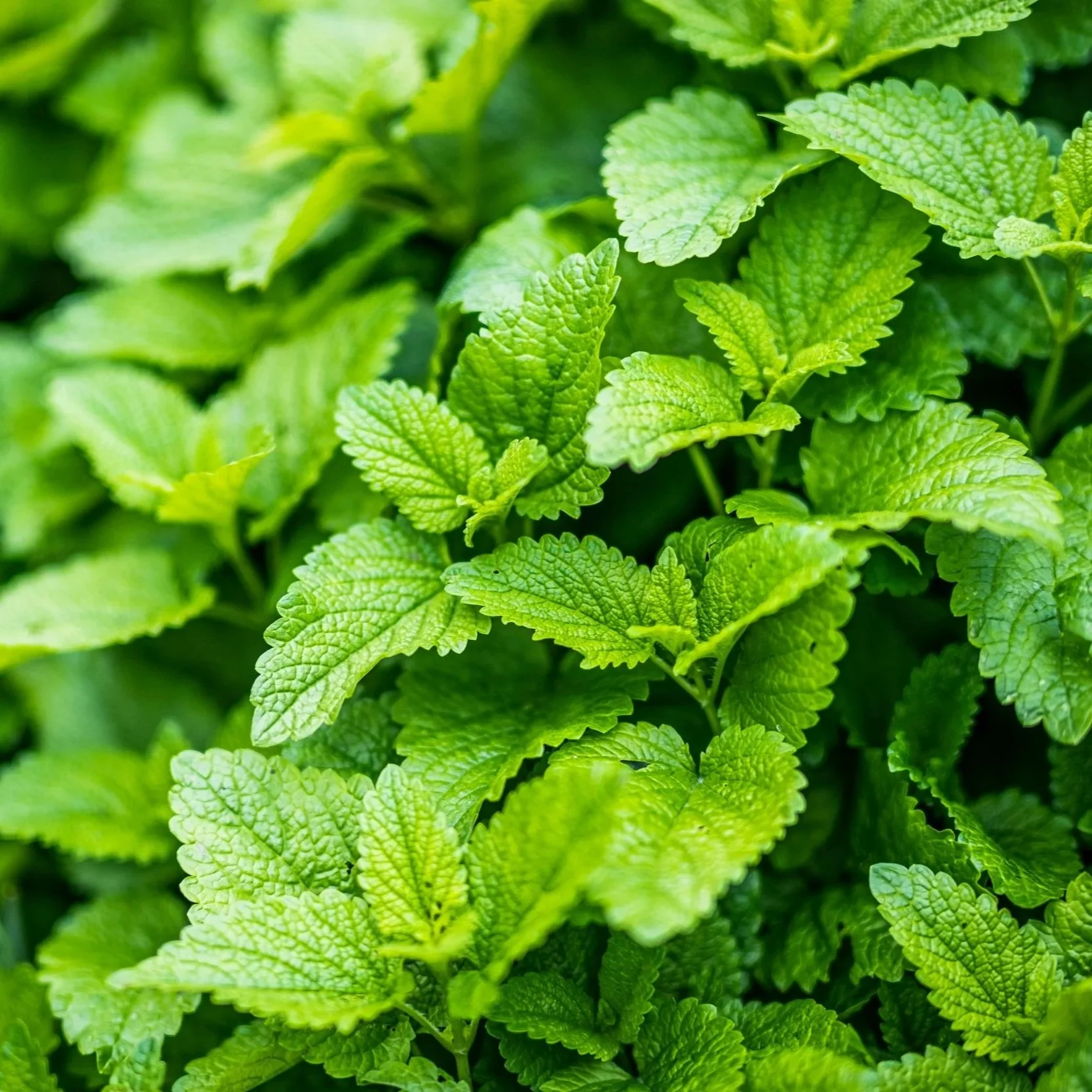
Lemon Balm
Melissa officinalis
Hydrosol made from lemon balm is considered very relaxing and sedating finding use in easing insomnia and emotional upheaval. It is also anti-viral and can be used topically to treat shingles and herpes outbreaks. Lemon balm hydrosol very gentle and helps to improves all skin types.
Parts used: leaves, stems & flowers
Learn more about lemon balm here.
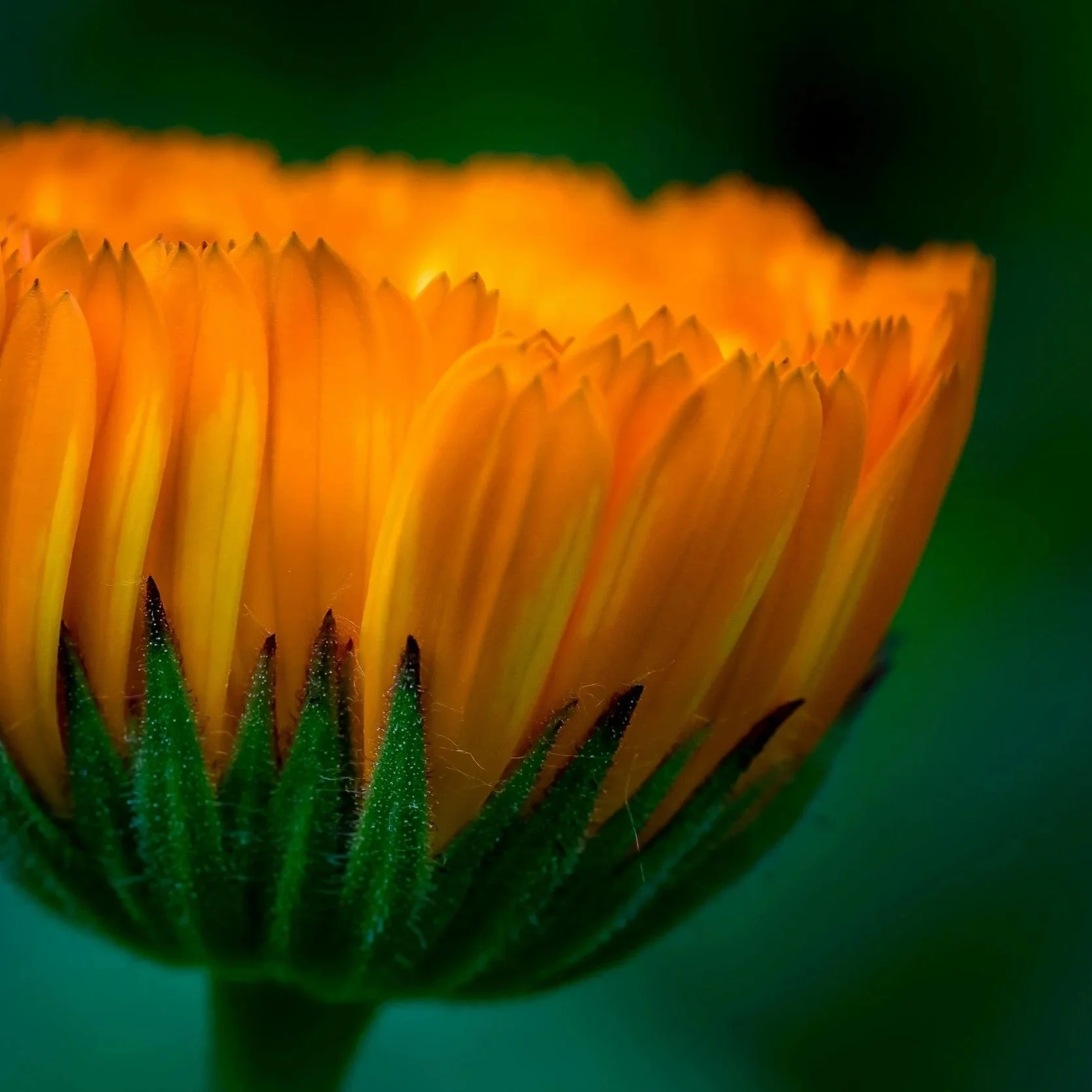
Calendula
Calendula officinalis
Though not really considered common, calendula does make a lovely hydrosol, so I wanted to tell you about it! Like the herb, calendula hydrosol is wonderful for soothing many kinds of skin discomfort such as rashes, abrasion, sunburns while decreasing scaring. It is also considered a wonderful, calming facial toner.
Part used: flowers
Learn more about calendula here.
Ways To Use Hydrosols
There are so many ways to incorporate hydrosols into daily life!
Have fun playing and enhancing your life with these lovely waters.

Sprays ~ Without a doubt hydrosols make lovely sprays for home and body. Spraying aromatic hydrosols in the air is like magic, instantly transforming the energy of a room. Use them to refresh and cleanse the air, linens and more. These amazing waters are wonderful for the skin and emotions. Spray on face and body to tone the skin, refresh and soothe the mind. I like to keep a bottle of peppermint hydrosol in the refrigerator to make the ultimate cooling spray on a hot summer’s day!
Skin Care ~ Hydrosols make luscious additions to botanical skin care products. Use hydrosols as amazing facial toners, add to lotions and creams, put a cup or two in the bath, use in hair rinses, and help soothe rashes and burns.
Home Care ~ Using hydrosols around the home is a lovely way to incorporate them into everyday life. Spritz the bed sheets when changing the bed, use as an aromatic laundry spray, and even add hydrosols to your own homemade cleaning products.
Culinary ~ Many hydrosols can be added to foods and drinks to create delicious surprising tastes. The most well-known in hydrosols cooking are rose and orange blossom water. We love to add rose water to fruit salads and orange blossom water to cheesecake! Note: if you plan to consume hydrosols, make sure you obtain high-quality food grade hydrosols and store them according to package directions.
Really the possibilities are endless and limited only by your own limitless imagination.
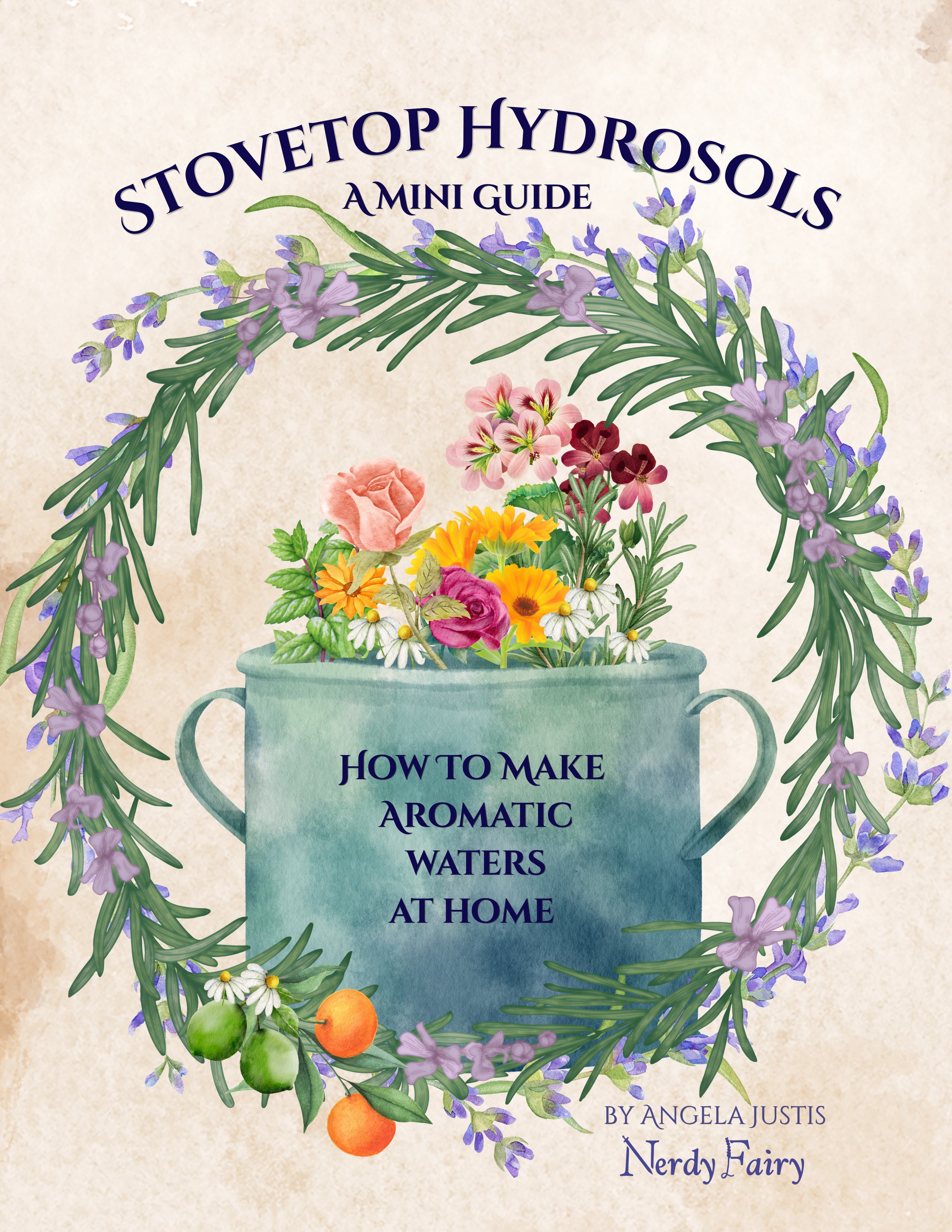
If you want to have all the basics of making hydrosols at home gathered in one place, check out my Stovetop Hydrosols Mini Guide here! It has everything to get you started on your journey with floral waters.
Until next time nerdy fairies, have fun and enjoy exploring the world of hydrosols!
References
Green, Mindy and Keville, Kathi. (1995). Aromatherapy, A Complete Guide to the Healing Art. Freedom, CA: The Crossing Press.
Mountain Rose Herbs. (n.d.). 10 Ways to Use Hydrosols + Our Favorites. Retrieved from https://blog.mountainroseherbs.com/what-is-hydrosol-10-ways-to-use-hydrosols-10-of-our-favorites.
Rose, Jeanne. (1999). 375 Essential Oils And Hydrosols. Berkely, CA: Frog Ltd.
Shutes, Jade. (n.d.). The Magic of Hydrosols. Retrieved from https://aromaticstudies.com/the-magic-of-hydrosols/
Updated March 23, 2026: Previously posted on Mama Rosemary